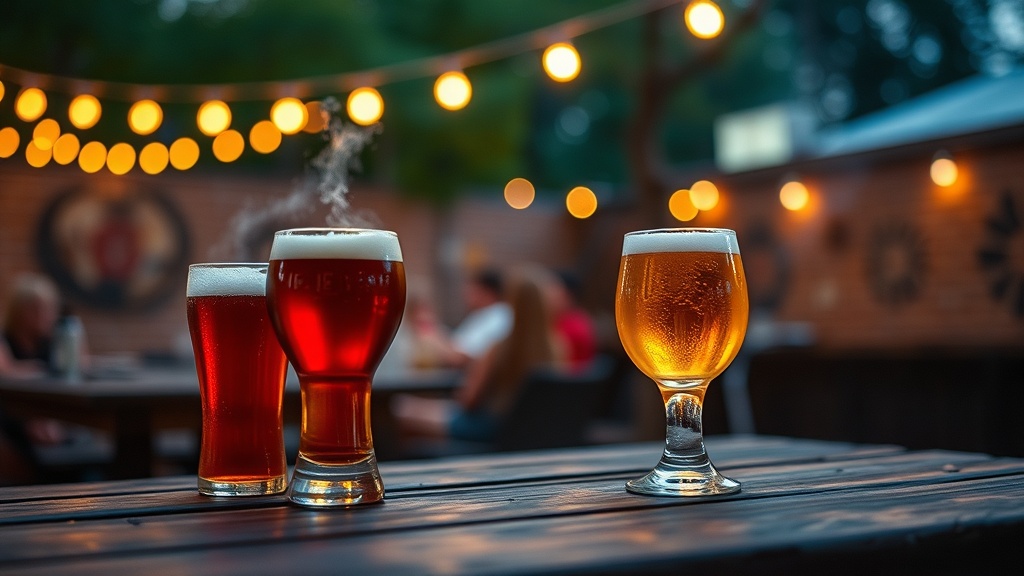
Picking the Best Local Craft Beer for Your Next Backyard BBQ

The condensation on a cold glass bottle catches the afternoon sun, while the smell of charcoal and searing steak drifts over the fence from a neighbor's yard. Backyard BBQs are the heartbeat of summer in the Ottawa Valley. Picking the right craft beer isn't just about quenching thirst; it's about matching the flavor profile of your food so you don't end up with a bitter aftertaste. This guide breaks down how to select the right Ontario brews for your menu, from light summer lagers to heavy, malt-forward ales.
What Types of Beer Pair Best with Grilled Meats?
Rich, fatty meats like ribeye steaks or juicy burgers pair best with high-alcohol, malty beers like Double IPAs or Brown Ales. The way a heavy malt interacts with fat is almost magical. If you're serving something heavily charred, you need a beer that can stand up to that intensity without getting lost.
Think of it as a balancing act. If the meat is heavy, the beer needs weight. If the meat is light—like a lemon-herb chicken—you'll want something much more delicate. Here is a quick breakdown of common BBQ proteins and their ideal beer companions:
- Burgers and Brisket: Go for a West Coast IPA or a Stout. The hops or the roasted malt tones cut through the grease perfectly.
- Grilled Chicken or Pork: A Belgian Witbier or a light Wheat Beer works wonders here. The citrus notes in the beer complement the poultry.
- Sausages and Hot Dogs: A crisp Pilsner or a Pale Ale is your best friend. These are easy-drinking and won't overwhelm the saltiness.
- Vegetarian Skewers: A Fruited Sour or a Session IPA keeps things refreshing without being too heavy.
I once tried pairing a heavy Imperial Stout with a grilled chicken breast, and it was a disaster—the beer completely drowned out the delicate flavors of the meat. Don't make that mistake.
Which Ontario Craft Beers Are Best for Summer?
Ontario has an incredible selection of breweries, and for a backyard party, you want a mix of styles to satisfy everyone. You'll want to look for brands that are widely available in local LCBO stores or local specialty shops around Petawawa and Pembroke.
If you want something reliable, look at brands like Left Hand (though technically US-based, they are staples in many Ontario craft lineups) or local heavyweights like Lakeside Brewing or Upper Canada Brewing Company. For a backyard setting, you don't want a beer that's too "challengay" or experimental—you want something approachable.
Here is a comparison of popular styles you'll find on Ontario shelves:
| Beer Style | Flavor Profile | Best Food Pairing | ABV Range |
|---|---|---|---|
| IPA (India Pale Ale) | Bitter, citrus, pine | Spicy BBQ Ribs | 6% - 7.5% |
| Pilsner | Crisp, clean, bready | Grilled Fish/Chicken | 4.5% - 5.5% |
| Amber Ale | Toasted malt, caramel | Beef Burgers | 5% - 6% |
| Sour Ale | Tart, fruity, acidic | Salads or Spicy Wings | 3% - 5% |
The goal is to have a "crowd-pleaser" in the cooler. I usually stock up on a few cases of a high-quality Pale Ale because it's the most versatile option. It’s not too heavy, not too bitter, and it satisfies the casual drinkers while still being interesting enough for the enthusiasts.
How Much Should You Budget for Craft Beer?
Expect to pay between $15 and $22 per six-pack for high-quality Ontario craft beer. Prices vary wildly depending on the brewery's size and the complexity of the brew. While a standard domestic lager might only run a few dollars, a specialized barrel-aged ale or a limited release will certainly hit your wallet harder.
When planning your shopping list, remember that craft beer is often sold in different configurations than mass-market brands. You might find 4-packs of high-ABV IPAs or 12-oz cans of fruit sours. If you're buying for a large group, checking the LCBO website beforehand for availability in the Petawawa or Pembroke area can save you a much-needed trip.
It's worth noting that buying in bulk isn't always an option with small-batch breweries. Sometimes, you just have to grab a few special cans and hope for the best. That said, a well-curated selection of three different styles is always better than one giant mountain of the same thing.
How Do You Store Beer for a Backyard Party?
Keep your beer in a dedicated cooler with plenty of ice or, even better, a large galvanized metal tub filled with ice and water. The water is key—it creates more surface area contact with the bottles and cans, cooling them much faster than air alone. If you're bringing a specific bottle of craft ale that's sensitive to temperature, keep it in a shaded spot.
Temperature matters more than people realize. A lukewarm IPA is a sad experience. If you are heading out for a hike before the BBQ—perhaps checking out the local trails—make sure you have a way to keep those drinks cold once you get back to the backyard.
A few tips for the perfect cooler setup:
- Pre-chill everything: Don't put warm beer into a cooler and expect it to be cold by the time the burgers are done.
- Use Salt: A handful of salt in your ice water will lower the freezing point and chill the bottles significantly faster.
- Avoid Sunlight: Keep the cooler in the shade of the deck or under the table. UV rays can degrade the hops in certain beers (especially IPAs) very quickly.
If you're serving a particularly delicate wheat beer, avoid the "ice bath" method if the ice is extremely salty, as it can occasionally affect the glass or the seal, though that's quite rare. Just keep it cold and keep it out of the sun.
For more information on the science of beer brewing and how different ingredients affect flavor, you can check out the Wikipedia page on brewing. Understanding the basic chemistry—like the role of yeast and hops—can actually help you become a much better buyer when you're standing in the aisle of the store.
Don't forget to check the "Best By" dates on those cans. A stale craft beer is a heartbreak waiting to happen. If you see a can that looks slightly bloated or dented, leave it on the shelf. It's not worth the risk of a bad sip during your big summer celebration.
Steps
- 1
Identify Your Flavor Profile
- 2
Check the ABV and Style
- 3
Consider the Occasion
- 4
Support Local Breweries