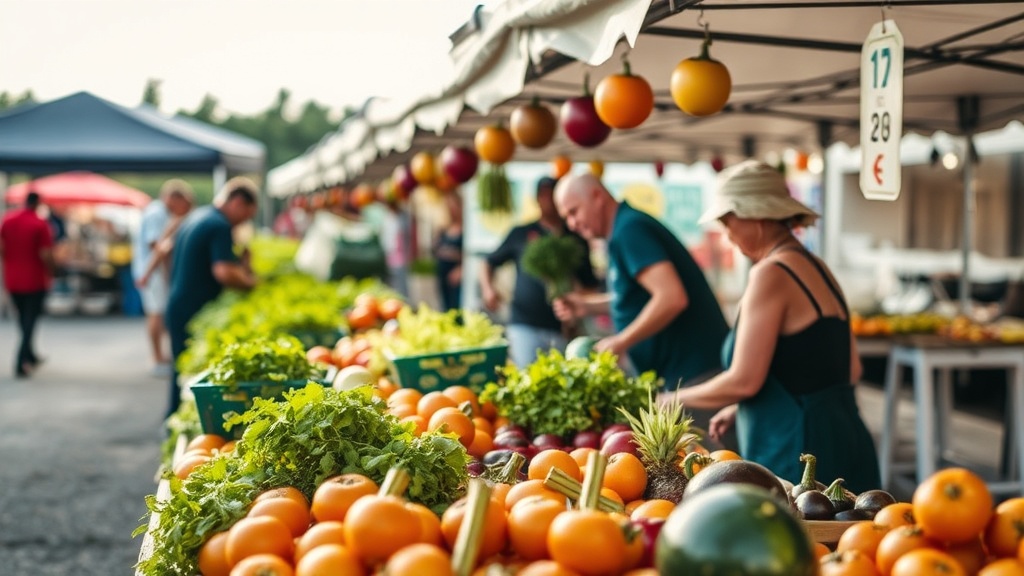
Seasonal Flavors Found at Petawawa's Farmers Markets

Imagine walking through the Petawawa market on a Saturday morning, the air smelling of fresh basil and damp earth, and finding a crate of heirloom tomatoes that actually taste like sunlight. This post looks at the seasonal produce, artisanal goods, and local food trends currently hitting our local markets in the Ottawa Valley. Understanding the seasonal rhythm of our local growers helps you shop smarter, save money, and support the small-scale farmers who live right in our backyard.
Shopping locally isn't just about the produce; it's about knowing exactly when certain flavors hit their peak. In Petawawa and the surrounding areas, our growing season is dictated by the specific microclimates of the Madawaska Valley. If you show up in June looking for berries, you might be disappointed—you have to time your visits to the changing seasons.
What Can You Find at Petawawa Farmers Markets?
You will find a rotating selection of fresh vegetables, seasonal fruits, artisanal breads, local honey, and handmade preserves. The inventory changes almost weekly based on what is ready for harvest. During the height of summer, you'll see heavy hitters like sweet corn, zucchini, and cucumbers. As we move into the cooler months, the focus shifts toward root vegetables, hearty greens, and preserves like jams or pickles.
It’s a different experience than the grocery store. At a supermarket, a bell pepper might look perfect but have zero flavor. At a local market, that same pepper was likely picked yesterday. You'll see plenty of:
- Fresh Herbs: Mint, basil, and rosemary are staples for local cooks.
- Small-Batch Breads: Often made with grains sourced from Ontario farms.
- Dairy and Eggs: Look for local poultry and dairy-based goods.
- Handcrafted Goods: Everything from soaps to hand-poured candles.
If you are planning a trip to the market, you might want to pack a basket. I always recommend checking out my guide on hidden gems for a perfect picnic in Petawawa to see how you can use these fresh finds for a weekend outing. A fresh baguette and some local cheese make for a much better lunch than anything pre-packaged.
When is the Best Time to Shop for Seasonal Produce?
The best time to shop is early in the morning, specifically between 8:00 AM and 10:00 AM, to secure the best selection before items sell out. Most local vendors arrive early to set up, and the most popular items—like the really good sourdough or the first harvest strawberries—often vanish by noon. It's a bit of a race, but it's worth the early wake-up call.
Here is a general timeline of what to expect in the Ottawa Valley region:
| Season | Key Produce Items | Typical Vibe |
|---|---|---|
| Late Spring (May/June) | Radishes, Greens, Early Berries | Fresh starts and bright colors |
| Summer (July/August) | Corn, Tomatoes, Peaches, Zucchini | The peak of harvest and high energy |
| Fall (September/October) | Apples, Squash, Pumpkins, Root Veg | Hearty textures and warming colors |
| Winter (November-April) | Preserves, Honey, Dried Goods | Focus on shelf-stable artisan goods |
The transition from summer to fall is particularly interesting. You'll notice the heavy, watery vegetables like cucumbers disappearing, replaced by the dense, starchy ones like butternut squash. It's a visual cue that your cooking style should shift from light salads to slow-cooked stews.
The weather in Ontario can be unpredictable. One week we have a heatwave, and the next, a frost hits. This can actually shift the market inventory faster than you'd expect. If a sudden frost hits the valley, don't be surprised if the berry season ends a week early. It's part of the charm of buying from real people instead of a global supply chain.
Why Should You Buy Local Produce Instead of Grocery Stores?
Buying local ensures you get produce at its nutritional peak and supports the local economy of the Ottawa Valley. When you buy from a farmer in Petawawa, your money stays in the community. Furthermore, the "food miles" are significantly lower, which means less carbon footprint and less heavy packaging used to transport goods across the country.
There is also a nutritional aspect to consider. Produce often loses nutrients during the long transit times required for large-scale distribution. According to the Government of Canada, food safety and nutrient density are highest when food is fresh. When a tomato travels 2,000 kilometers in a refrigerated truck, it's not the same as one that traveled 20 kilometers in the back of a pickup truck.
Beyond the health and environmental benefits, there's the flavor. I've found that nothing compares to a real, locally-grown strawberry. It's a different level of sweetness. You'll notice the difference immediately. It's almost a sensory experience that a grocery store simply cannot replicate with mass-produced, long-haul fruit.
It's also a great way to connect with your neighbors. You might find yourself chatting with a vendor about the best way to cook a certain type of squash or asking for advice on how to store your herbs. These small interactions make the market feel like a community event rather than just a chore. If you enjoy these kinds of community-driven experiences, you'll likely enjoy uncovering Petawawa's independent shops as well. There's a real sense of pride in our local businesses.
One thing to keep in mind: always bring cash. While many vendors are starting to accept digital payments or card, several smaller stalls might still be cash-only. It's better to be prepared than to miss out on that one perfect jar of local honey because you didn't have the right change. You'll also want to bring your own reusable bags to keep things easy and eco-friendly.
The quality of the food is also much more predictable. When you buy from a local farmer, you can ask questions. "Is this organic?" or "How was this grown?" You get transparency that a big-box store just can't offer. This level of accountability is why the local market scene is so much more reliable for high-quality ingredients.
If you are looking for something specific, like a certain type of heirloom bean or a specific variety of apple, don't be afraid to ask. Many farmers specialize in certain crops. You might find a niche product that isn't even listed on a standard sign. It's all about the conversation.
The seasonal nature of these markets also encourages you to eat more diversely. Instead of eating the same three vegetables all year, the market forces you to experiment with what is actually available. This can lead to much more interesting and varied cooking at home. It keeps your kitchen from getting stagnant.
As the seasons change, so does the community's focus. In the summer, the markets are bustling and high-energy. In the winter, the focus shifts toward the artisanal and the preserved. It's a beautiful cycle that keeps our local food system alive and thriving. Make it a point to visit regularly, even if you're just looking for a small treat.